
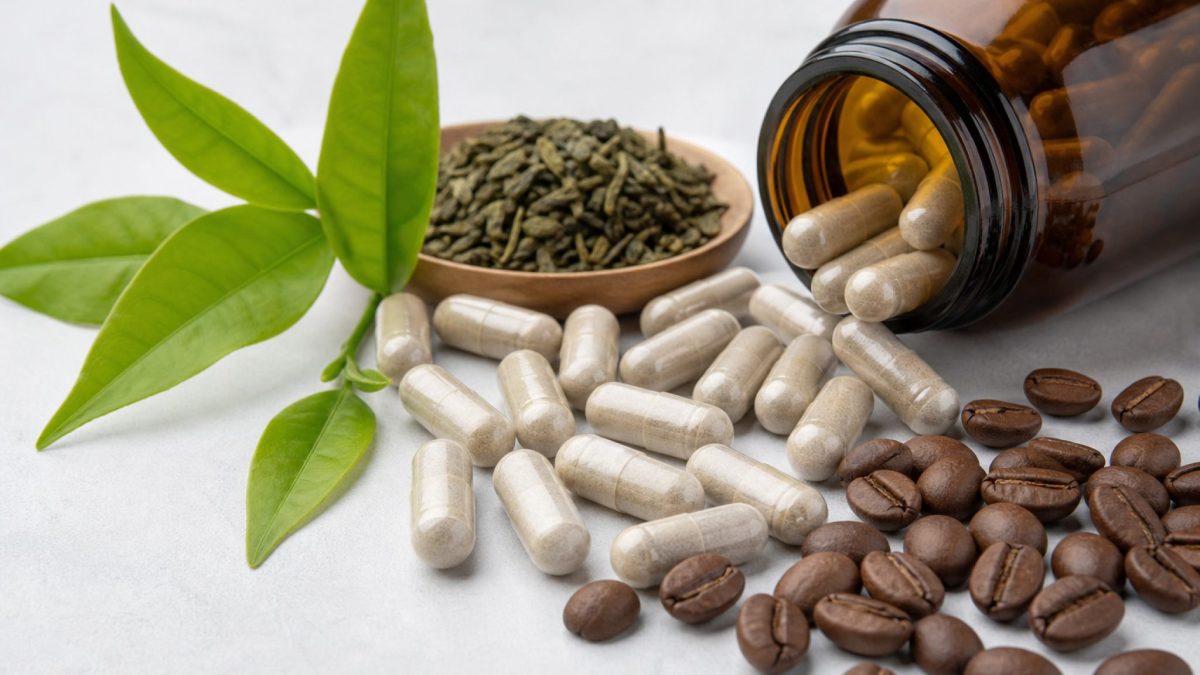
Weight loss is a major focus in our size-obsessed culture. Every year, Americans spend more than $2 billion on weight-loss supplements. But do these so-called “fat burner” products actually work? And, perhaps more importantly, are they safe? “Proceed carefully,” registered dietitian Melissa Matteo, RD, advises.
Fat burners are dietary supplements that may contain either natural or synthetic ingredients. They promise to help with weight loss and the development of a more toned body.
Are Fat Burners Effective?
The answer? Maybe. But don’t expect miracles. Despite their name, fat burners don’t cause fat cells to burn away. Instead, they try to promote weight loss through other methods. They may:
– Boost your metabolism, helping you burn more calories.
– Reduce the amount of fat absorbed by your body.
– Suppress your appetite, leading you to eat fewer calories.
That’s the theory behind how they work. Certain compounds in fat burners have been linked to modest weight loss. However, most of these supplements haven’t undergone extensive testing.
Perhaps most importantly, fat burners aren’t regulated by the U.S. Food and Drug Administration (FDA). That means manufacturers can make almost any claim they want about their products, even without evidence to back it up.
Are Fat Burning Supplements Safe?
Fat burners have several downsides. They’re unregulated, contain uncertain combinations of chemicals, and aren’t likely to give you a dramatically different physique. Some can even be dangerous. If you’re considering using these supplements, talk to your doctor or pharmacist first.
“People aren’t always upfront about the supplements they’re taking. But because the ingredients in fat burners can interact with medications and cause serious side effects, it’s important to tell your doctor.”
Fat Burners: Components
Weight-loss supplements contain dozens of ingredients, including plant extracts and other compounds. Here are a few of the most commonly used:
1. Caffeine
Caffeine stimulates the nervous system and may help with weight loss. However, supplements can contain far more caffeine than coffee, chocolate, tea, or other natural sources. Too much caffeine can lead to anxiety, jitteriness, insomnia, and even a dangerously elevated heart rate.
2. Green Tea Extract
Many fat burners use green tea extract. This ingredient may help you burn calories and absorb less fat from food. However, the fat-burning effect is minor — you’d burn far more calories from a brisk walk.
3. Carnitine
This compound assists with metabolism and provides energy. It’s found in various meat and dairy products and is naturally produced by your liver and kidneys. However, the evidence for its weight-loss benefits is mixed. Too much carnitine can cause nausea, vomiting, diarrhea, and an unusual body odor.
4. Yohimbe
This natural compound comes from the bark of an evergreen tree. It’s found in many weight-loss products, although little research has been done on it. It can also be unsafe — yohimbe may cause headaches, anxiety, depression, and high blood pressure, and can potentially cause heart problems and kidney failure at high doses.
5. Soluble Fiber
Some fat burners include soluble fiber-rich compounds. While fiber doesn’t directly boost weight loss, it does help with appetite management. Soluble fiber can also help prevent your body from absorbing some of the fat in the food you eat.
– Beta-glucans.
– Guar gum.
The Bottom Line
Fat burners aren’t a magic fix, and the evidence behind most of their ingredients is limited at best. Since these supplements aren’t FDA-regulated, quality and safety can vary widely between products.
If you’re considering trying a fat burner, do your research on the specific ingredients, and talk to your doctor first — especially if you take any medications, since some fat burner ingredients can interact with them.