
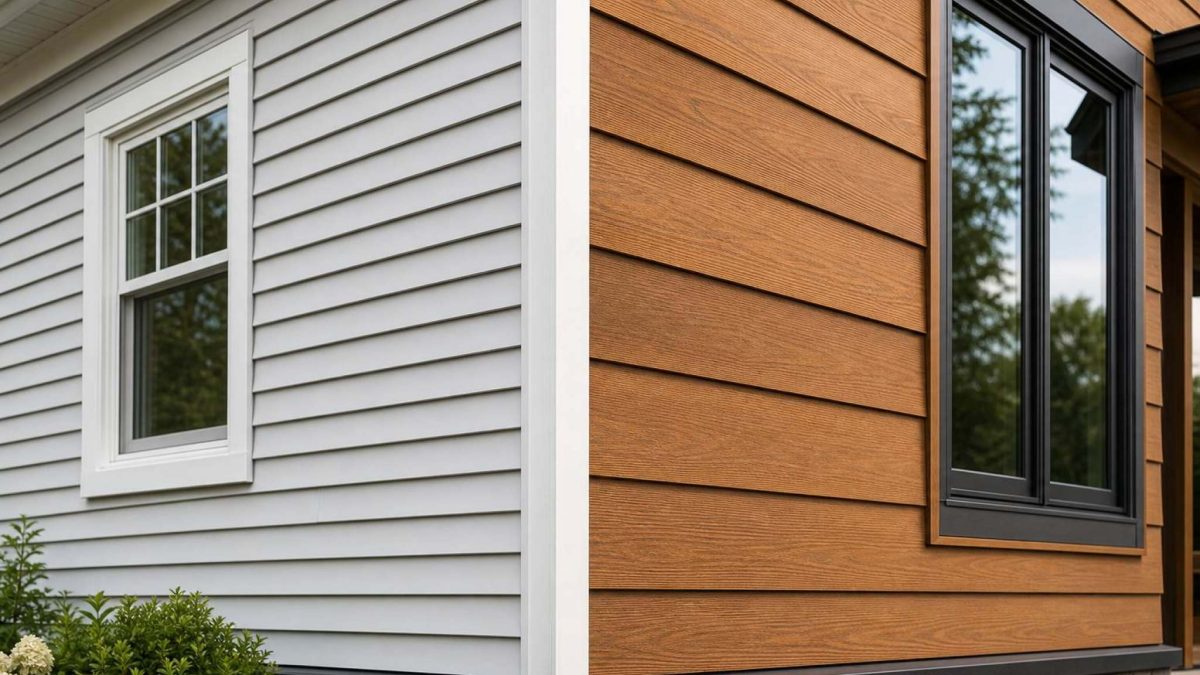
If you’re planning a siding replacement, you might be wondering which material is the best fit for your home.
The primary function of your home’s siding is to protect the structure, its foundation, and everything inside it. It shields the house from rain, snow, wind, and other harsh weather. As the seasons turn colder, well-installed siding helps protect the interior from the elements too.
Looking for a low-maintenance option? Whatever your priorities are, there’s likely a siding material built around them.
Understanding the advantages and drawbacks of each option can help you make the right call. Keep reading for a guide to the different types of siding available today.
Vinyl Siding
Vinyl siding remains one of the most popular choices for home exteriors. It’s a material most homeowners already know well, which makes it a comfortable, low-risk option for a lot of people.
It’s also one of the more affordable siding options on the market. That said, it tends to be less durable than some of the pricier alternatives.
Insulated Vinyl Siding
Insulated vinyl siding builds a layer of foam insulation directly into the back of each panel, which sets it apart from standard vinyl. This added insulation helps keep your home’s interior temperature more consistent.
Better temperature regulation can translate into real energy savings over time. It also tends to hold up better than standard vinyl, which can mean fewer repairs and a longer time before you need to replace it.
LP SmartSide
LP SmartSide is a long-lasting engineered wood siding product. It’s built to last, typically backed by a 50-year limited warranty, with some finishes even backed by a lifetime guarantee from the manufacturer.
Even if you don’t plan on staying in your current home for decades, installing LP SmartSide can still boost your home’s resale value. It’s worth reaching out to a reputable local siding contractor to explore your options.
Metal Siding
Metal siding and roofing have both been growing in popularity in recent years. Despite a higher upfront cost, its durability and long lifespan tend to make it a worthwhile long-term investment.
Metal is also a solid choice for homeowners looking for a more eco-friendly option, since many other siding materials end up sitting in landfills for decades after they’re replaced.
Fiber Cement Siding
Fiber cement siding is a composite material that can be styled to resemble wood or even a brick exterior, all while offering strong weather resistance. It’s built to hold up against the elements while keeping your home looking sharp, without sacrificing curb appeal.
Planning a Future Siding Renovation
Replacing your siding is one of the most effective ways to improve your home’s curb appeal. It’s also a relatively low-cost way to lower your long-term energy costs, since siding installation and replacement generally costs less than many other popular exterior materials.
Between lower maintenance needs and potential energy savings, a good siding choice can end up saving you real money over its lifespan.