


If you’ve been scrolling through options for a new phone lately and stumbled across the name Raylo, you’re probably wondering what it actually is and whether it’s worth trusting with your money. Fair question. In a world of pricey upgrade contracts and confusing small print, this platform has quietly built a name for itself as one of the UK’s go-to alternatives to the traditional mobile contract.
Let’s break down exactly what it does, how it works, and whether it deserves a spot on your shortlist.
What Exactly Is It?
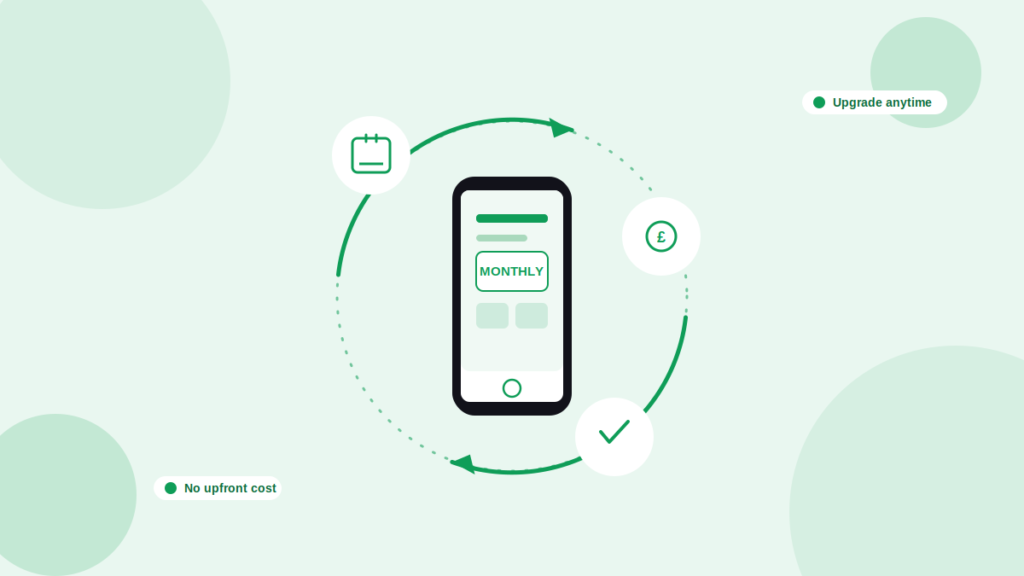
Raylo is a London-based technology leasing platform, founded in 2018, that lets you lease the latest smartphones, tablets and other tech devices every month, rather than buying them outright or locking yourself into a lengthy network contract. Instead of paying a large upfront sum or committing to two years with a single provider, you pay a monthly fee for the device itself, keep your existing SIM and network, and hand the device back (or upgrade) at the end of the lease.
The idea sits at the heart of what’s often called the “circular economy.” Rather than devices being bought, used for a couple of years, then left in a drawer, the company refurbishes and redeploys them, extending their working life and cutting down on electronic waste. It’s a genuinely different way of thinking about how we get our tech, and it’s part of why this business has grown steadily since launch.
Raylo has raised well over £100 million in funding to date, with backers including major names like NatWest and Quilam Capital, and it now employs over a hundred people out of its UK offices. It’s not some fly-by-night start-up; it’s a properly established business with serious financial backing.
How Does the Leasing Process Actually Work?
The process is refreshingly simple, especially compared to the paperwork-heavy world of traditional phone contracts.
- Choose your device: Browse the platform’s range of smartphones (think the latest iPhones and Samsung Galaxy models) and other gadgets like tablets or smartwatches.
- Pick your lease term: Select how long you want to lease the device for, with monthly pricing based on the device and term length.
- Pass a quick credit check: As with any leasing arrangement, an affordability check is carried out to make sure the plan suits your circumstances.
- Get it delivered: Once approved, your device is delivered, often surprisingly quickly.
- Use, upgrade, or return: At the end of your term, you can upgrade to a newer device, keep leasing, or simply send it back.
There’s no need to switch networks or change your SIM, which is one of the more underrated parts of the whole setup. You keep the network deal you already like, and just swap out how you pay for the hardware.
Why People Are Choosing This Over Traditional Contracts
Here’s where it gets interesting. Traditional phone contracts bundle the device and the network plan together, which sounds convenient but often means you’re paying well over the odds for the hardware once you add it all up over two years. This service separates the two, and for a lot of people, that separation is exactly the point.
A few reasons this model has caught on:
- Lower monthly costs: Leasing tends to work out cheaper than financing a device through a big-name network, particularly for flagship phones.
- No huge upfront payment: You don’t need to find several hundred pounds in one go just to get your hands on the latest handset.
- Flexibility to upgrade: Fancy the newest model when it lands? Leasing makes upgrading far less of a hassle than being tied into a lengthy contract.
- Keep your existing network: No need to disrupt a plan you’re already happy with.
- A more sustainable choice: Devices get refurbished and reused rather than binned, which matters more and more to people these days.
None of this means leasing is automatically the right choice for everyone, but for anyone who upgrades their phone regularly or simply doesn’t want to be tied to a single network for two years, it’s easy to see the appeal.
Is It Actually Legit and Trustworthy?
This is usually the first thing people want to know, and it’s a sensible instinct when money and gadgets are involved.
Raylo is a registered UK company (Raylo Group Limited), based in London, and has been trading since 2018. It holds a strong Trustpilot rating, generally sitting around 4.5 out of 5, with reviewers frequently mentioning fast delivery, smooth upgrades and genuinely helpful customer service. Independent trust-scoring services like ScamAdviser and APIVoid also rate the company highly.
The platform is also a certified B Corporation, which means it’s been independently assessed against standards covering transparency, environmental impact and accountability to more than just shareholders. That’s not a badge companies pick up casually; it takes real scrutiny to earn.
Put simply, this isn’t some obscure app you’ve never heard of trying to get your bank details. It’s a well-funded, properly regulated UK business with a track record and a genuine reputation to protect.
What Devices Can You Actually Lease?
The catalogue mostly centres on the latest smartphones, with strong coverage of both iPhone and Samsung Galaxy ranges, alongside select tablets and smartwatches.
New models tend to appear on the platform fairly promptly after launch, which is one of the reasons people who like staying current with tech gravitate towards leasing rather than locking into a two-year deal on last year’s model.
Availability can shift depending on stock and demand, so it’s always worth checking the live catalogue on the official site rather than assuming every device is guaranteed to be there.
Business Leasing: Not Just for Individuals
It’s worth knowing that this isn’t purely a consumer product. The company also offers a dedicated business leasing service, aimed at companies that want to equip staff with devices without the upfront capital cost of buying everything outright.
For growing businesses, this can be a genuinely smart way to manage tech budgets, refreshing equipment regularly without tying up cash that could be used elsewhere.
This side of the business has been expanding, with new partnerships being built with retailers and platforms to widen how and where people can access leasing as a payment option, including point-of-sale partnerships with tech retailers.
5 Best Same Day Working Capital Loans for Small Businesses in 2026
What Happens at the End of Your Lease?
This tends to be the part people worry about most, and it’s a fair thing to want clarity on before signing up. When your lease term ends, you typically have a few options: upgrade to a newer device and start a fresh lease, extend your current lease if you’re happy with what you’ve got, or simply return the device.
Because the entire model relies on devices being handed back in a reasonable condition for refurbishment, it’s worth keeping your device looked after during the lease, much as you would with any device you intend to trade in or hand back. Reasonable wear is expected, but anything beyond that could affect your options at the end of the term.
The Sustainability Angle: More Than Just Marketing
It would be easy to assume “sustainable tech leasing” is just a nice line in a press release, but the entire business model is genuinely built around it. Every device that comes back through the platform gets refurbished and redeployed rather than scrapped, which directly reduces the demand for new device manufacturing, one of the more resource-intensive processes in modern tech.
For anyone who cares about where their tech comes from and where it ends up, that’s a meaningful difference compared to buying a brand-new phone every couple of years and letting the old one gather dust in a drawer.
Pros and Cons: The Honest Rundown
No review is worth much without a balanced view, so here’s the straightforward breakdown.
What it does well:
- Genuinely lower monthly costs compared to many network contracts
- No large upfront payment required
- Easy upgrades without switching network
- Strong Trustpilot rating and solid reputation
- B Corp certified, with real accountability behind the sustainability claims
- Backed by serious UK investors, so it’s financially stable
Where it might not suit everyone:
- You need to pass a credit check, so it’s not guaranteed for everyone
- Device availability can vary depending on demand
- You don’t own the device outright unless you choose a buy-out option, so it’s not for people who want to keep the phone forever
- Reasonable wear-and-tear expectations apply if you plan to return the device
None of these are dealbreakers for most people, but they’re worth weighing up honestly before you commit.
Who Is This Actually For?
This service isn’t trying to replace every type of phone deal out there, and it doesn’t need to. It tends to suit:
- Regular upgraders who like having the newest phone without the upfront cost each time.
- SIM-only users who already have a network deal they like and just need a way to get a device without switching.
- Budget-conscious buyers who want flagship tech without a big one-off payment.
- Eco-conscious consumers who’d rather their old device get a second life than end up in landfill.
- Small businesses looking for a simpler way to equip staff with devices.
If you’re someone who prefers to buy a phone outright and keep it for four or five years regardless of how outdated it gets, leasing might not be the natural fit. But for a huge chunk of UK phone users, this model lines up neatly with how people actually use and replace their tech today.
How It Compares to Traditional Network Contracts
The most useful way to think about this is cost transparency. With a traditional network contract, your monthly bill bundles together the cost of the device, the network usage, and often a fair bit of profit margin buried in the small print, making it genuinely difficult to work out what you’re actually paying for the phone itself.
This platform strips that apart. You know exactly what you’re paying for the device each month, separate from whatever SIM deal you’ve chosen, which tends to work out both cheaper and far easier to understand. The trade-off is that you’re leasing rather than owning, so if outright ownership matters to you, that’s worth factoring in.
Frequently Asked Questions
Is Raylo a legitimate UK company?
Yes. It’s a registered UK business based in London, founded in 2018, with strong financial backing, a solid Trustpilot rating, and B Corp certification.
Do I need to switch networks to use this service?
No. It only provides the device itself, so you can keep your existing SIM and network plan without any disruption.
Does it run a credit check?
Yes, a standard affordability check is carried out as part of the application process, which is normal practice for any leasing arrangement.
Can I upgrade my phone through this platform?
Yes, upgrading is one of its biggest selling points. Once your lease term ends, you can move on to a newer device fairly easily.
Do I own the phone at the end of the lease?
Not automatically. This is a leasing service, so at the end of your term you’ll typically choose to upgrade, extend, or return the device, though buy-out options may be available depending on your plan.
Is it cheaper than a phone contract?
Generally, yes, particularly for flagship devices, since you’re only paying for the device itself rather than a bundled network and hardware package.
Does it offer business leasing?
Yes, the business leasing option lets companies lease devices for staff, which can be a smart way to manage tech budgets without a large upfront spend.
What happens if my device gets damaged?
Reasonable wear and tear is expected, but significant damage could affect your options at the end of the lease, so it’s worth looking after your device as you would with any device you plan to return.
Final Thoughts
Raylo has built something genuinely useful in a market that’s long overdue a shake-up. By separating the cost of the device from the cost of your network plan, it offers a simpler, more transparent, and often cheaper way to get your hands on the latest tech, without the upfront cost or the long-term tie-in that traditional contracts demand.
Add in a strong reputation, real financial backing, and a sustainability model that’s more than just words, and it’s easy to see why so many people are making the switch. If you’re due an upgrade and tired of the usual contract confusion, Raylo is well worth a proper look.